
Jean Bovet

Jean Bovet

I design and build software solutions across enterprise platforms, web applications, and mobile experiences, with a strong focus on usability, architecture, and product quality.

My recent work emphasizes AI-assisted development, agentic workflows, spec-driven development, and architecture-led engineering practices. I have extensive hands-on experience with AI-assisted engineering tools, using them to accelerate development, automate complex tasks, improve system design, and explore new product possibilities.

I enjoy working at the intersection of software engineering, AI, and user experience — building practical, creative, and meaningful applications that push technology forward while remaining intuitive and useful.

Arizona Software logoResurrecting Classic Projects2026

Three of my Arizona Software projects from the 2000s had sat dormant for nearly two decades — unable to build on modern Apple Silicon, full of deprecated APIs, and out of reach of current Xcode toolchains.

Using Claude Code with Opus 4.7, I brought all three back to life. The model navigated legacy code, modernized build settings, replaced deprecated frameworks, and got each project compiling and running again on current hardware — work that would have taken weeks by hand.

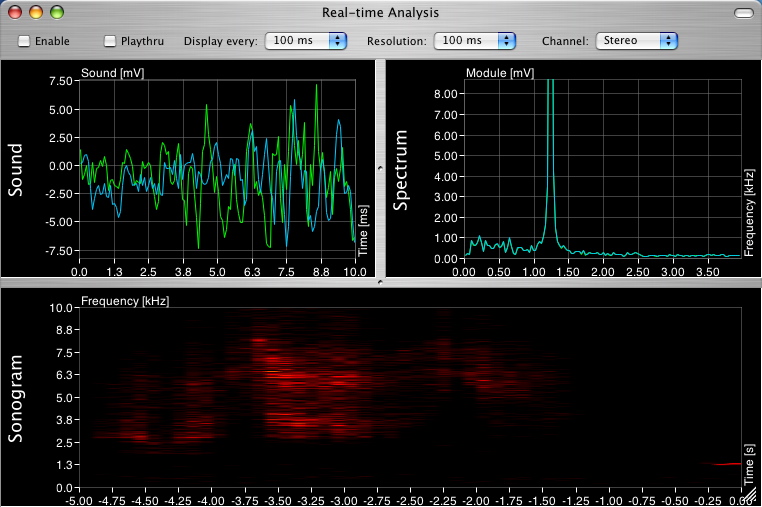
AudioXplorer — audio analysis tool for macOS with real-time spectrum and sonogram views.

AudioXplorer real-time analysis screenshot

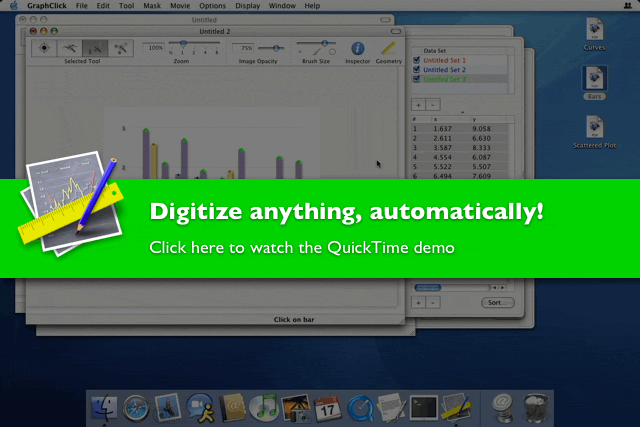
GraphClick — macOS app that digitizes data points from chart and graph images, written by my brother. Apple Design Award winner, 2005.

GraphClick digitizing a chart screenshot

xFractal — originally an iPhone app, now a macOS app for exploring Mandelbrot, Julia, and Newton fractals.

xFractal Mandelbrot view screenshot
Open Source Projects2025

Two privacy-first desktop applications built with Electron and TypeScript, showcasing local AI processing and document management capabilities.

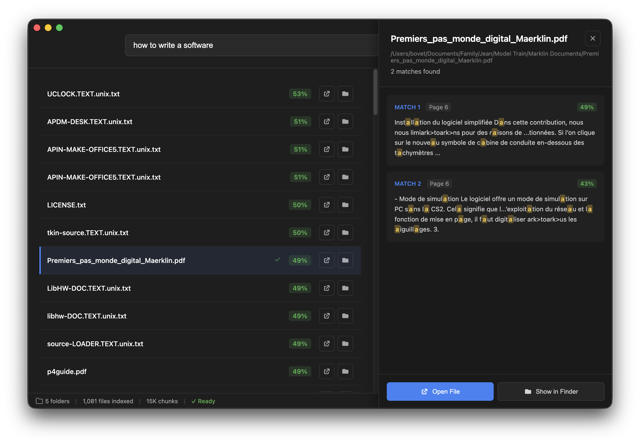
Semantica screenshot

Semantica is a privacy-first offline semantic search tool for macOS that indexes documents locally with no network requests. Built with LanceDB and sentence-transformers, it provides fast, intelligent search across PDFs, DOCX, Markdown, and more.

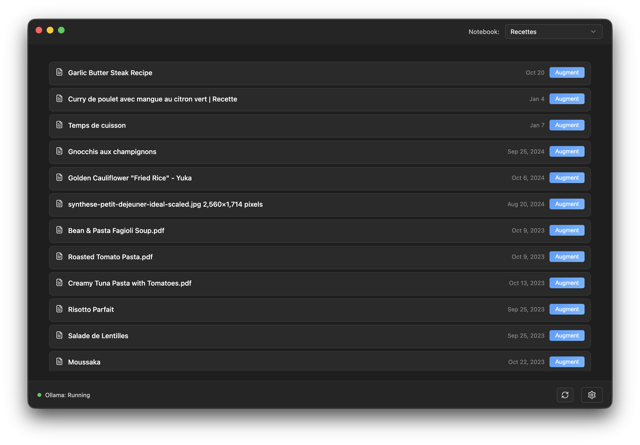
EverMind screenshot

EverMind enables local AI-powered file analysis with Evernote integration. Process documents through Ollama (Mistral, Llama3.1, Qwen2.5) to automatically generate metadata for note creation—all while maintaining complete data privacy.

When the Spec Becomes the Code2025

AI-driven spec development has completely changed how I develop software.

Instead of “vibe coding” — throwing prompts at an AI coding assistant until something works — I now write precise, structured specs that AI coding assistants can turn into production code. As Sean Grove explains brilliantly, “the spec is the code and LLMs are the compiler.”

The result? Fewer hallucinations, better collaboration, and software that anyone — not just developers — can help design.

Read the full article on LinkedIn →

Audrey iconAudrey2025

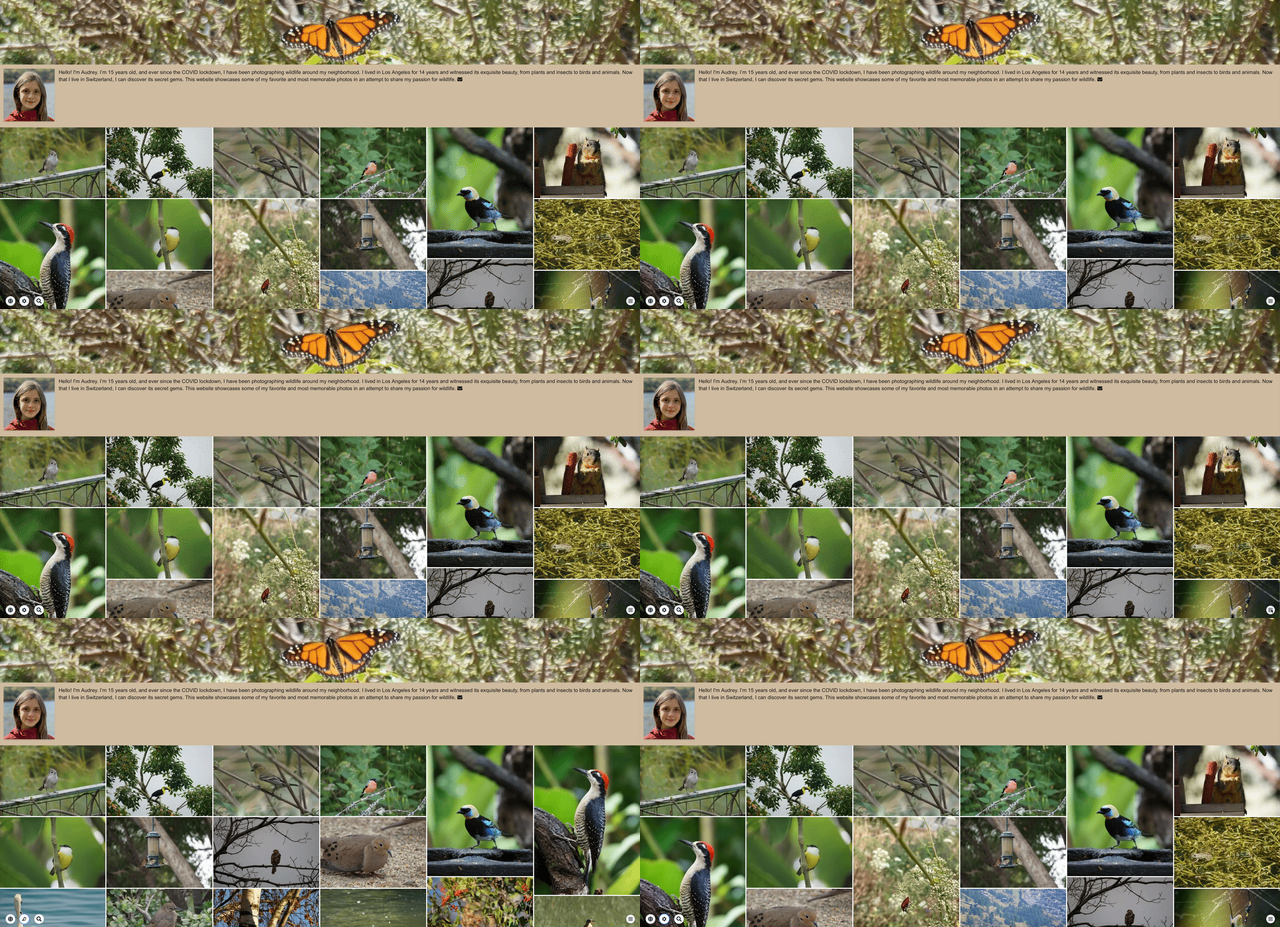
Development of a dynamic website for my daughter Audrey using Next.js, React and Google Cloud infrastructure.

Audrey Bovet's website
Ugobb iconUgobb2025

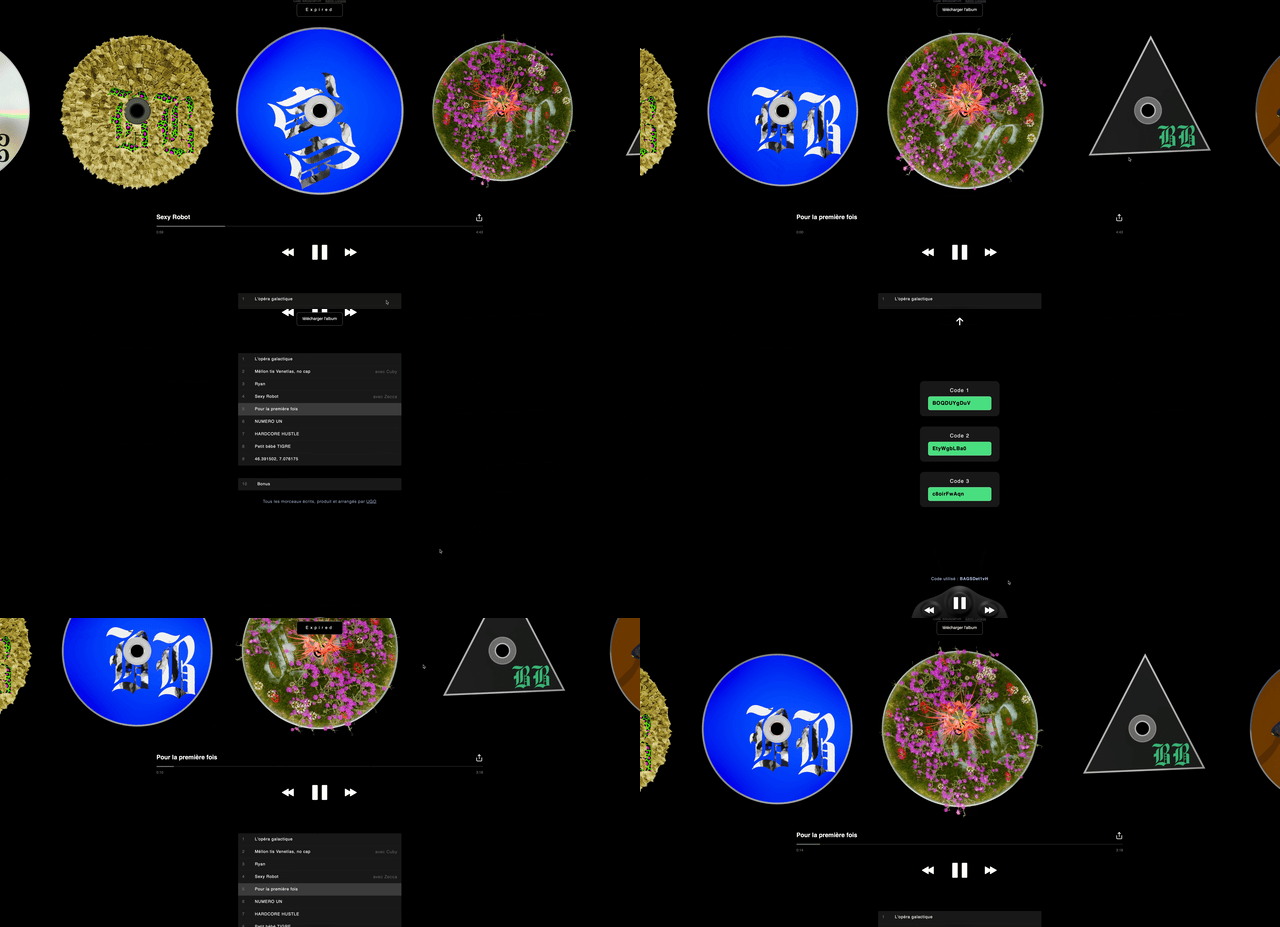
Development of a dynamic website for Gaajuto using Next.js, React and Google Cloud infrastructure.

Ugobb's website
Departure iconDeparture2024-25
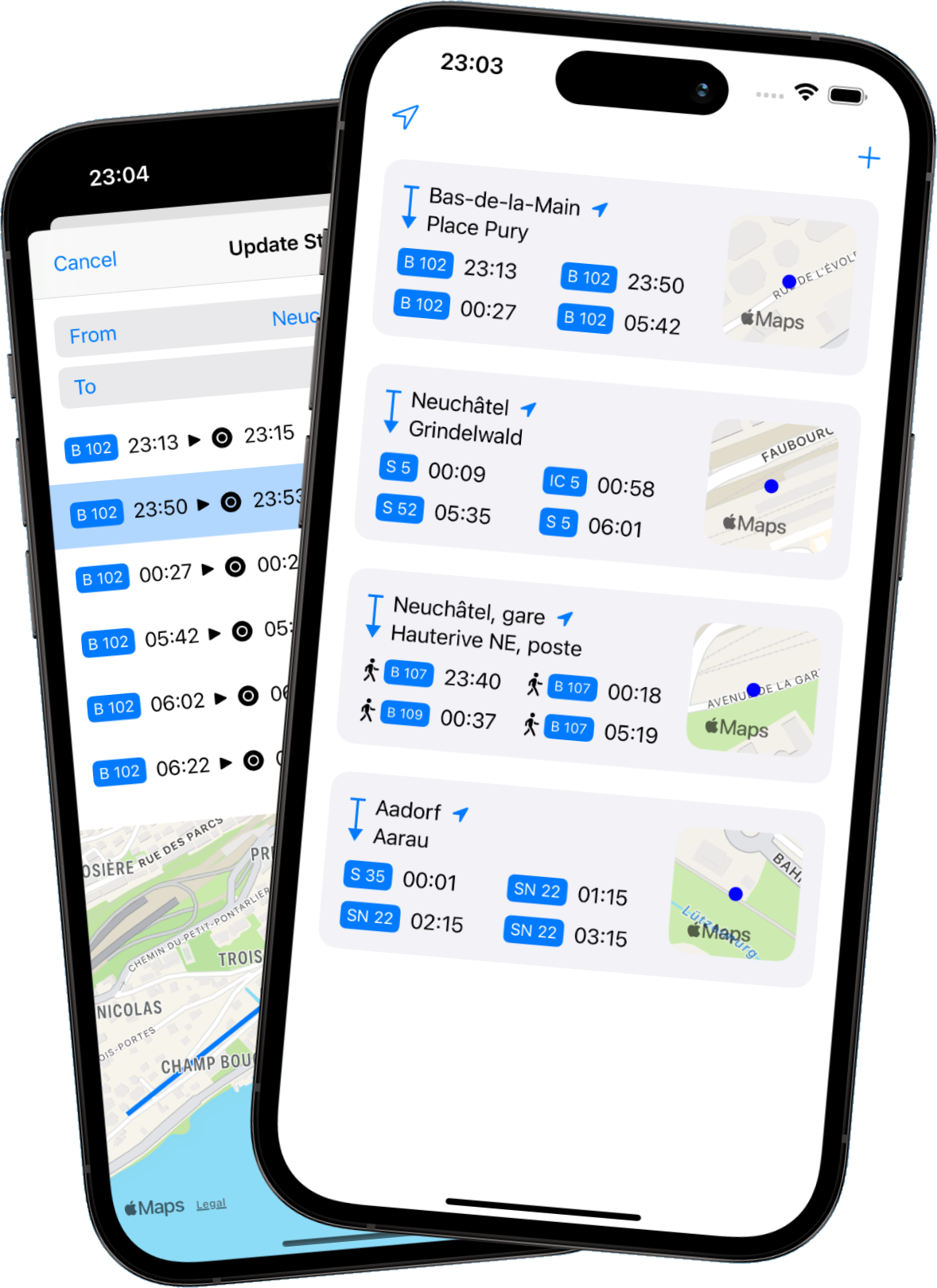
Departure app preview

Have you ever urgently needed to know the next public transportation departure times?

Departure, an iOS application, is designed to be user-friendly, displaying the next departure times for a specific public transportation stop with ease and clarity:

  1. Departure relies on the phone's location to display the most relevant stop.
  2. Enjoy the convenience of Home Screen and Lock Screen widgets, making the Departure app even more accessible and user-friendly.
  3. All stops are synchronized across devices using iCloud.

Departure uses the open-source transport API from OpenData and is only available in Switzerland.

Download on the App Store

BTrain iconBTrain2020-2023
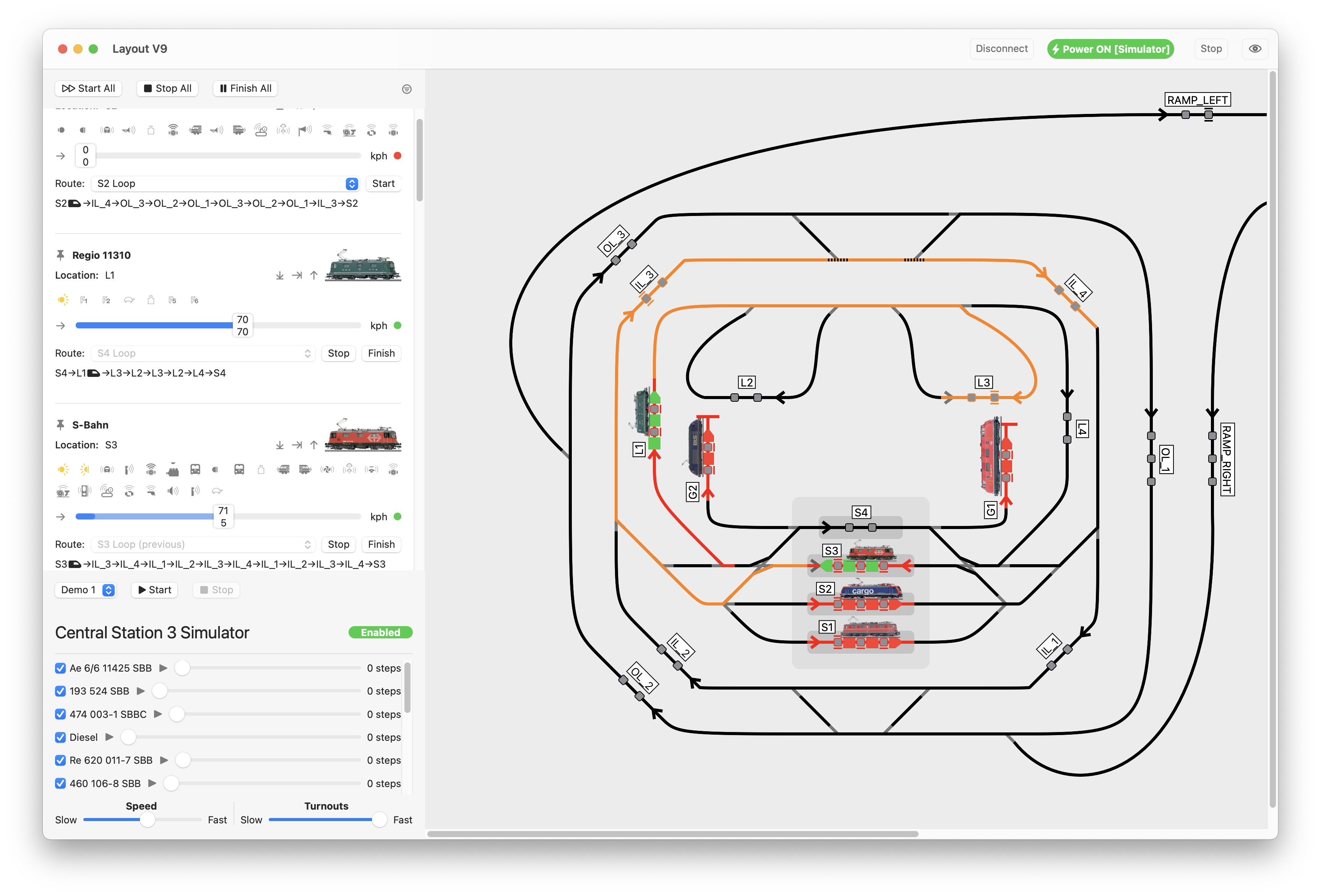
BTrain app preview

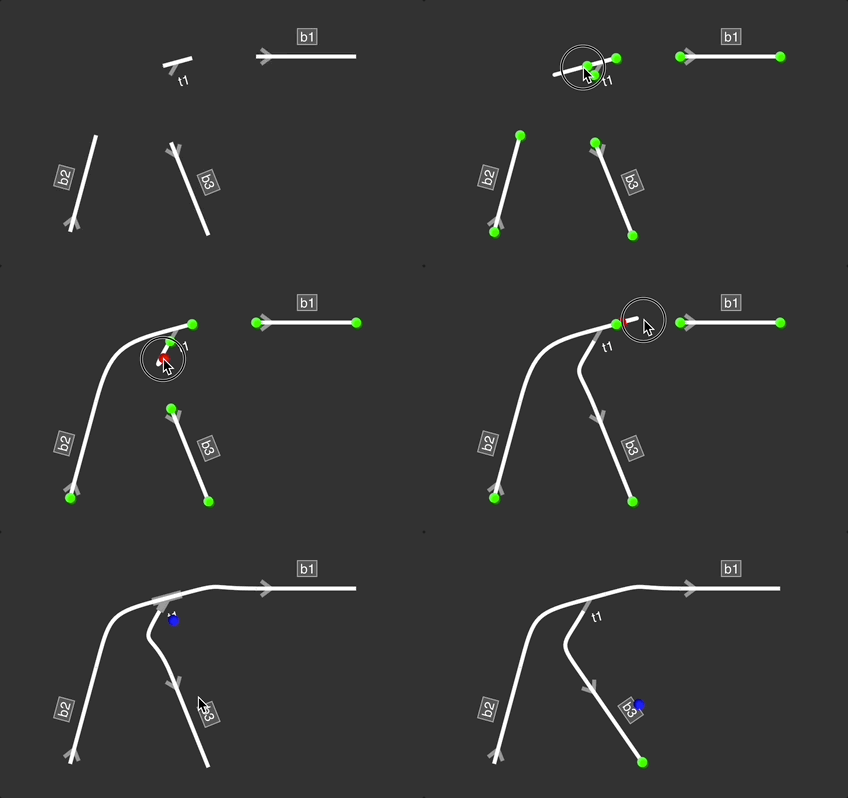
BTrain is a free, open-source software designed for automating model railway layouts, specifically tailored for Märklin Central Station 3 users on macOS. Developed in Swift and SwiftUI, it enables users to effortlessly create layouts by connecting blocks with draggable curves, and provides real-time visualization of train positions, directions, and block details. BTrain emphasizes user-friendly layout creation and detailed, real-time train tracking, enhancing the model railway experience.

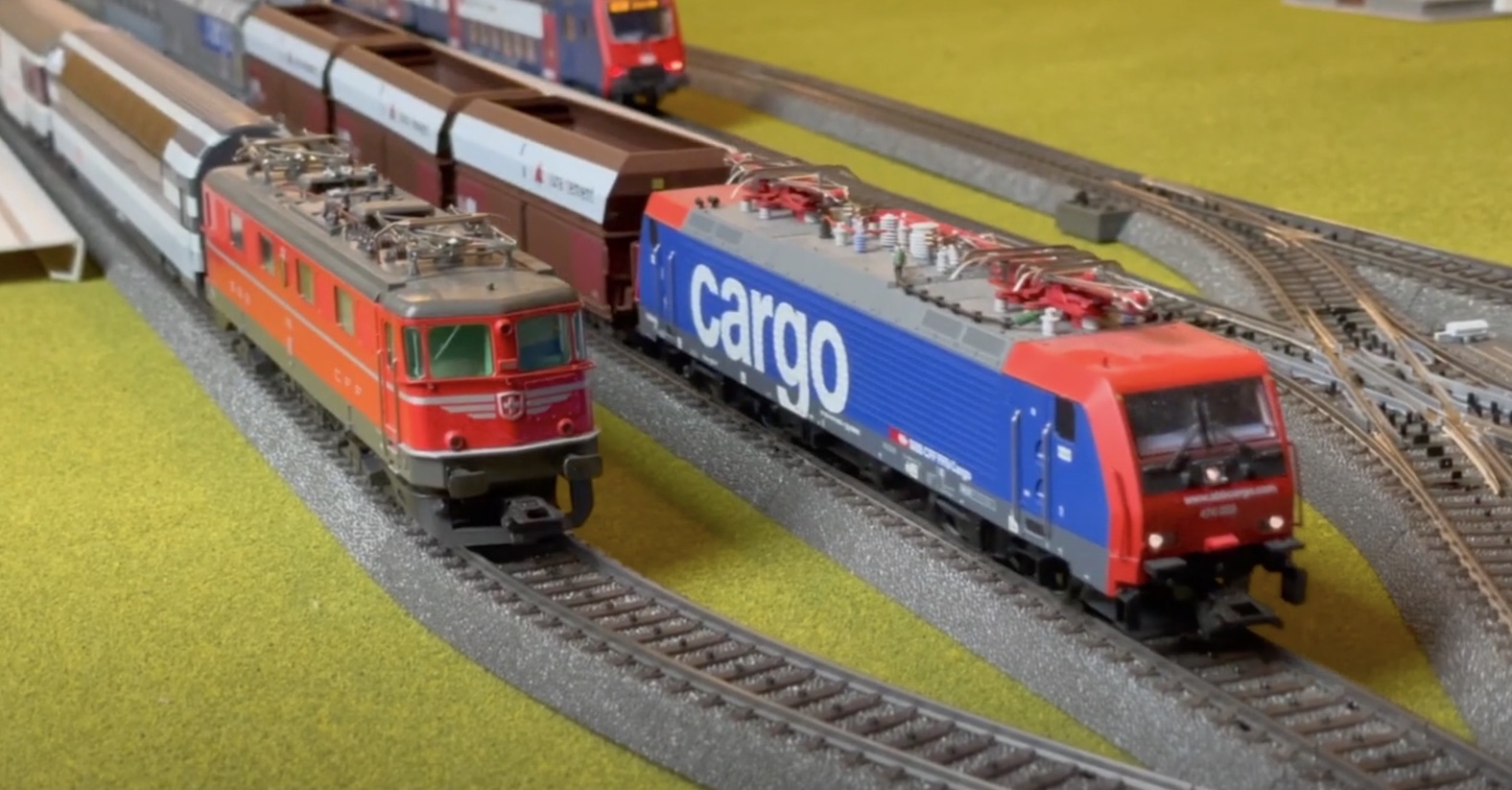
Read the article on LinkedIn about the development of BTrain with photos and videos of the real layout.

BTrain layout builder previewBTrain video preview
BChess iconBChess2018
BChess app preview

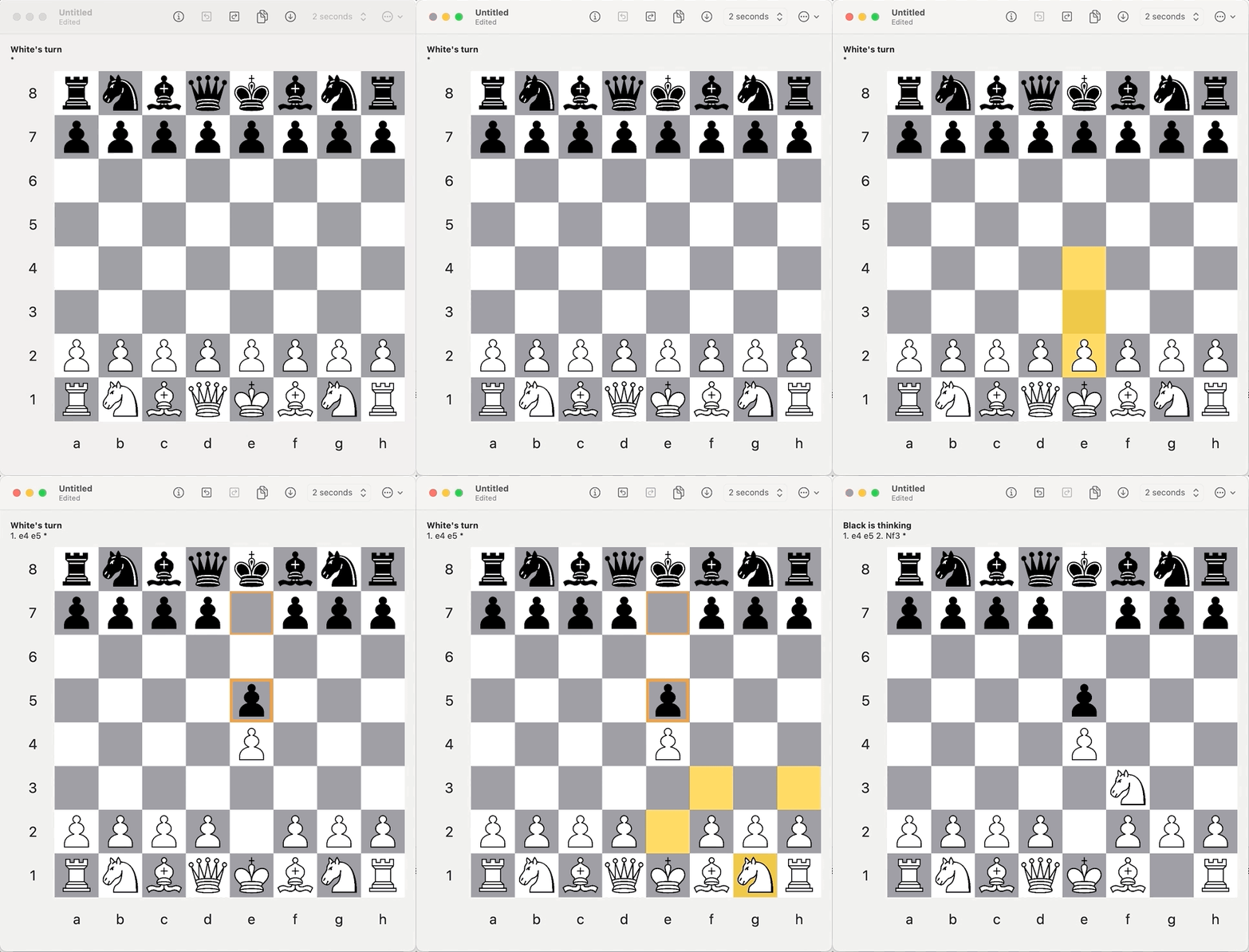
BChess is an open-source chess engine written in C++ and SwiftUI. The main goal was to write a C++ chess engine using bitboard representation. SwiftUI was used to write the UI in a concise and portable manner.

ANTLRWorks iconANTLRWorks2005-2010

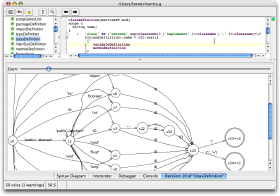
ANTLRWorks is a novel grammar development environment for ANTLR v3 grammars written by Jean Bovet (with suggested use cases from Terence Parr). It combines an excellent grammar-aware editor with an interpreter for rapid prototyping and a language-agnostic debugger for isolating grammar errors.

Decision DFA
Network Gatekeeper iconNetwork Gatekeeper Test Framework2006-2008

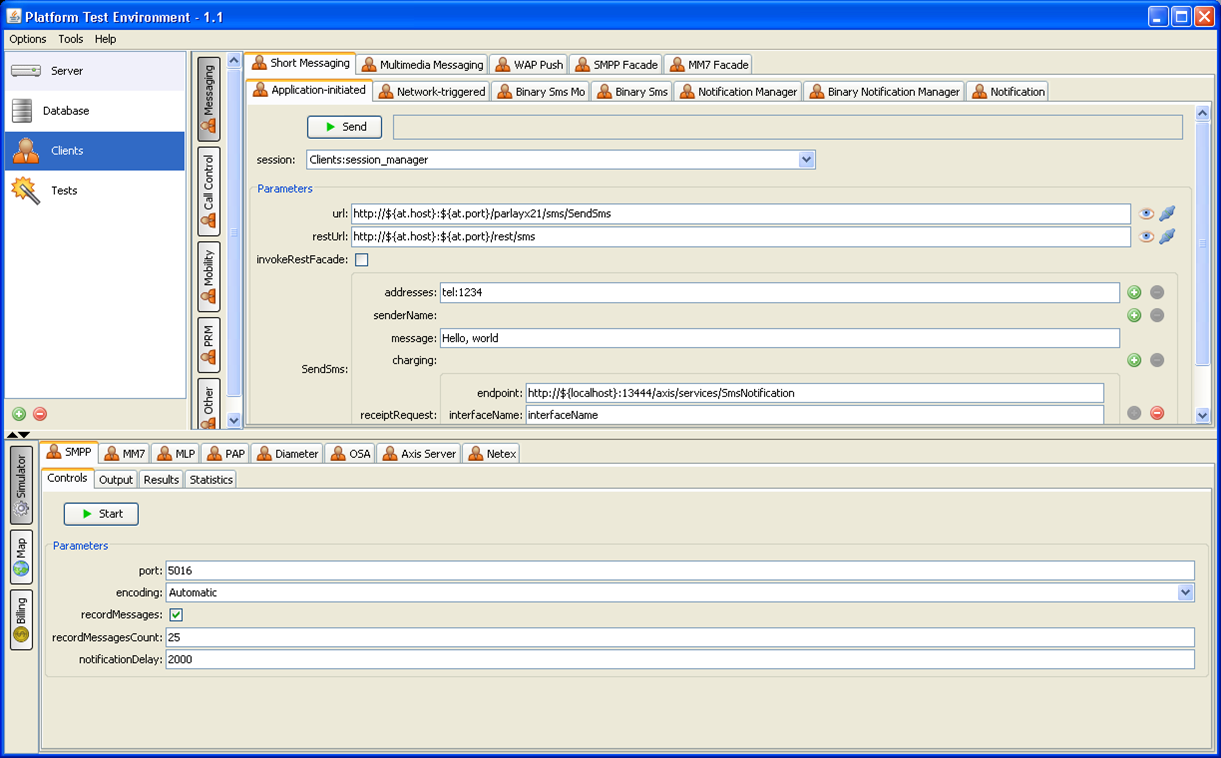
At BEA Systems (later Oracle), I invented and built the test framework for WebLogic Network Gatekeeper: the same components drove in-process JUnit tests and a standalone Platform Test Environment with a GUI for exercising and verifying the gateway end to end.

Gatekeeper was the telecom gateway that exposed carrier networks to third-party apps through Parlay X Web Services (SMS, MMS, location). At its core was a Spring-based network simulator that stood in for expensive, hard-to-provision gateways, implementing the server side of real protocols (SMPP, MLP, MM7, OSA) so the Gatekeeper's plug-ins connected as if to a live network.

Platform Test Environment GUI
V+ iconVisual Interface2000-2002

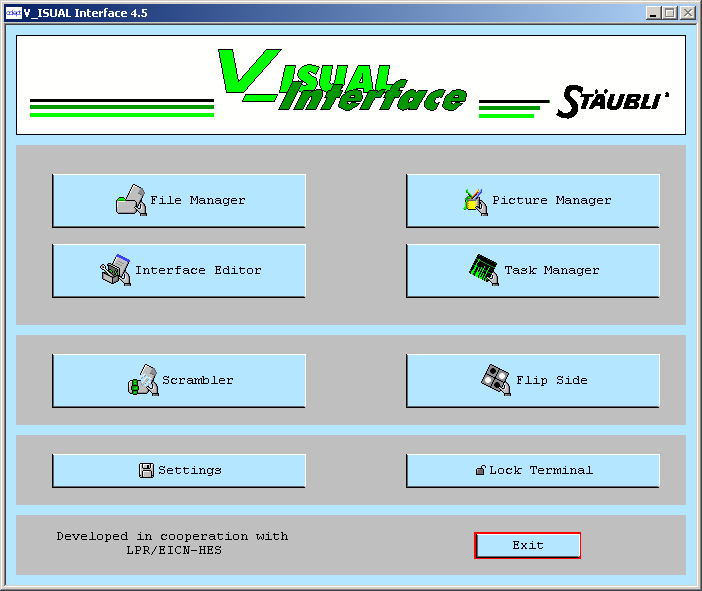
At the LPR robotics lab of the EICN engineering school, I invented and created Visual Interface — a development environment for building graphical interfaces in V+, the language of Stäubli and Adept robot controllers. It shipped as a Stäubli Faverges product and ran on the controller itself.

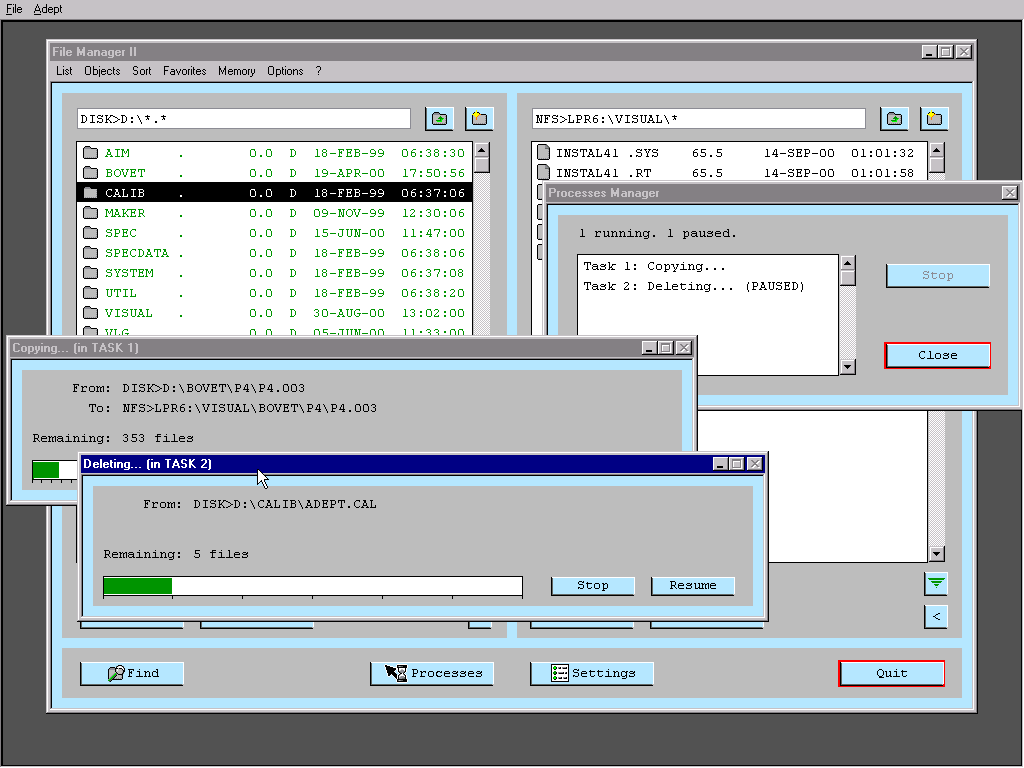
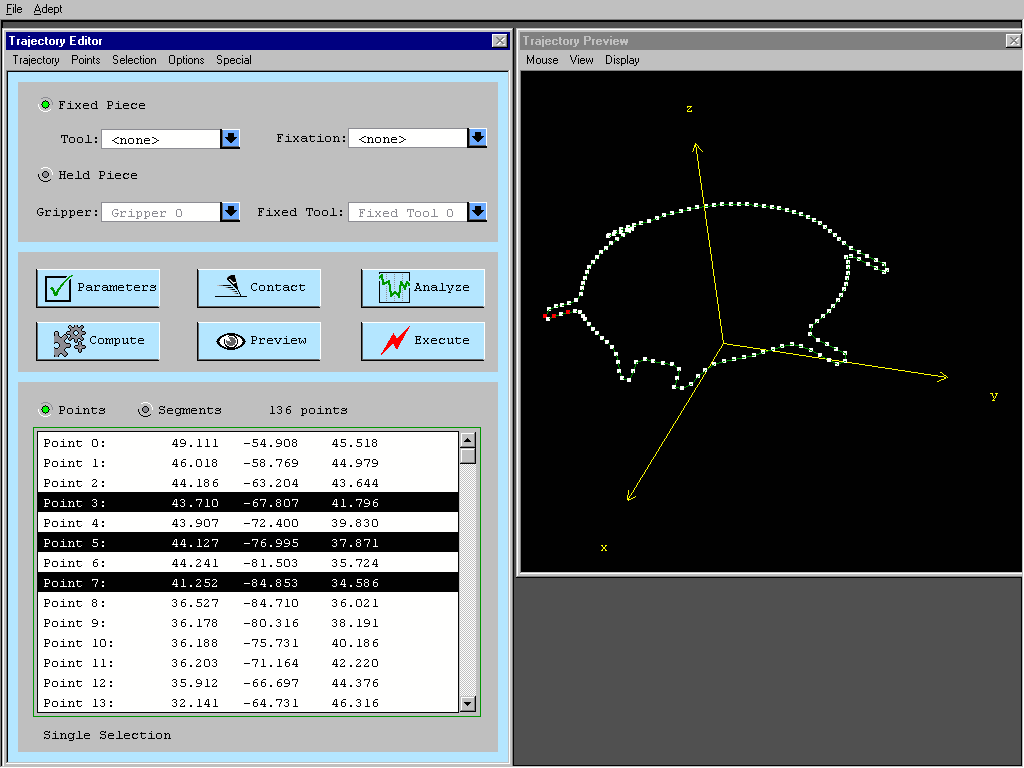
A WYSIWYG Interface Editor laid out buttons, lists and menus and generated the matching V+ code, alongside a multitasking File Manager, a Picture Manager, a Task Manager and a code Scrambler.

Visual Interface 4.5 main windowVisual Interface File Manager running concurrent copy and delete tasks
LPR logoLPR Robotics Lab1998-2004

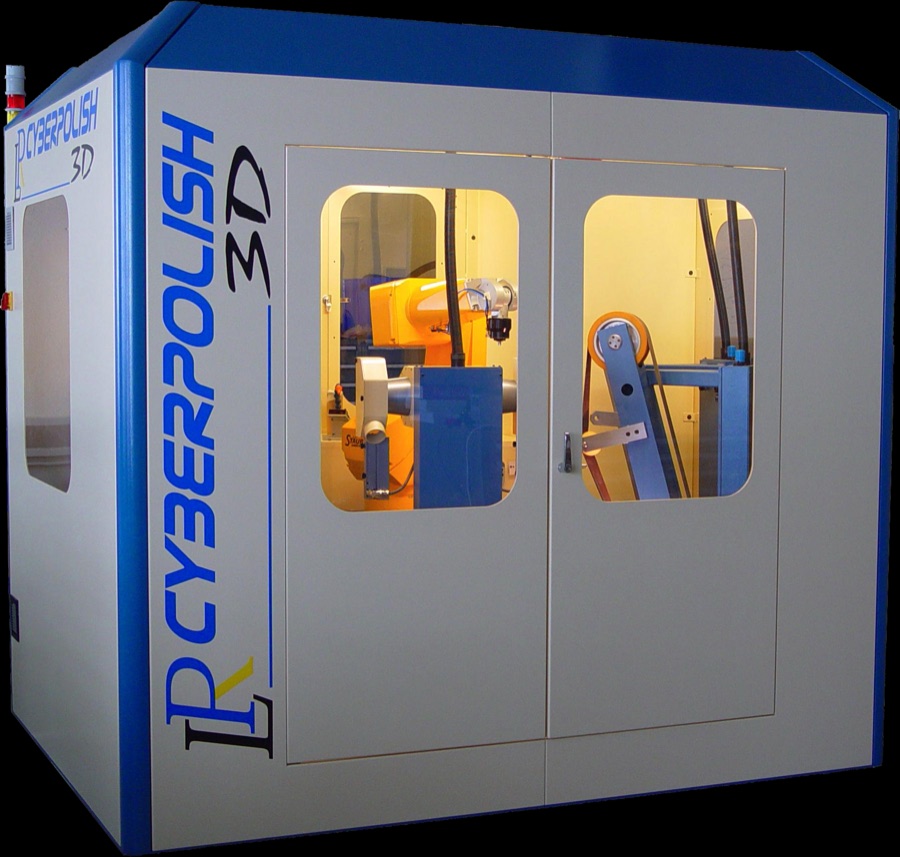
At the LPR (Laboratory for Automation, Production Engineering and Robotics) of the EICN engineering school in Le Locle, I worked alongside a team of talented engineers developing V+ software and complete robotic cells for the Swiss watch industry, driving Stäubli and Adept six-axis robots.

The team built PowerTraj, a V+ library for generating and executing precise three-dimensional trajectories on any six-axis robot, and PowerPolish, a 3D graphical interface on top of it for polishing luxury watches with a Stäubli RX 90. In production, PowerPolish cut the programming time for new and existing references by at least 90%, and it became the core of the CyberPolish 3D production cell.

CyberPolish 3D robotic polishing cellPowerTraj Trajectory Editor with a 3D trajectory preview
Arizona Software logoArizona Software1989–2012

The software company I ran with my brother Simon. It started in 1989 in Neuchâtel, Switzerland — two brothers who became computer junkies on an Atari 1040 ST — and moved to the Mac in 1993. Simon led the engineering; I took care of the business, advertising and support. When Simon stepped away in 2008, I carried the company on alone.

Over two decades we shipped freeware and shareware spanning education, science and developer tools. Two of our apps were honored at the Apple Design Awards, and Curvus Pro X went on to a quiet second life — its spirit still turns up in unexpected places on the Mac.

Curvus Pro X icon

Curvus Pro X Graphing calculator. Apple Design Awards Runner-Up in 2004.

GraphClick icon

GraphClick Digitizes data points from scanned charts and graphs. Apple Design Award winner, Best Mac OS X Student Product, 2005.

iLocalize icon

iLocalize One of the leading tools for translating and localizing Mac OS X applications.

ProVoc icon

ProVoc Free vocabulary trainer for Mac OS X and the iPod. The very first Arizona program, born on the Atari in 1989.

AudioXplorer icon

AudioXplorer Audio analysis tool with real-time spectrum and sonogram views.